Think about the last financial plan you worked on for a couple.
Who led the conversation? Whose risk profile shaped the recommendations? And if one partner wasn’t at the meeting – or didn’t really engage when they were – how much of a difference did that make to the plan you produced?
If you’re not sure, that might be the point.
As paraplanners, we work with the information we’re given. But some of the most consequential decisions in financial planning – which pension gets the contributions, how retirement income is structured, what happens when one partner dies – can be based on assumptions that nobody has explicitly questioned. And more often than not, it’s women who are most exposed when those assumptions go unexamined.
This Assembly is a chance to look at three of those assumptions directly: where they come from, what they cost clients, and what paraplanners can do about them.
What we’ll be looking at
We’ve chosen three assumptions that come up again and again in financial planning for couples, and that can have a disproportionate impact on women’s financial outcomes.
They span different life stages, so wherever your clients are in their financial journey, there’s likely to be something that resonates.
For each one, we’ll explore how it shows up in real planning situations, what can go wrong for clients, and what the risks are – before asking the practical question: what can a paraplanner actually do about it?
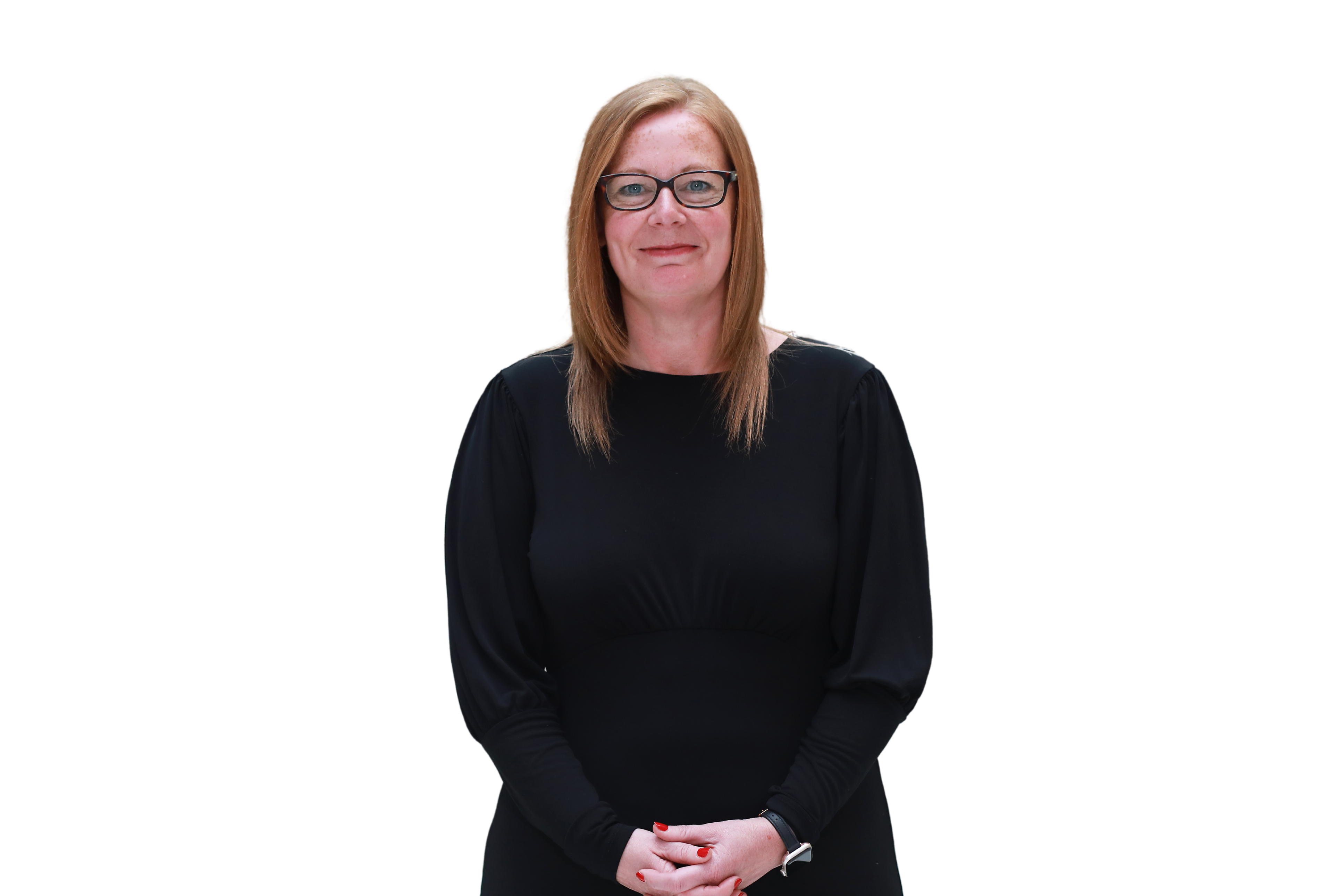
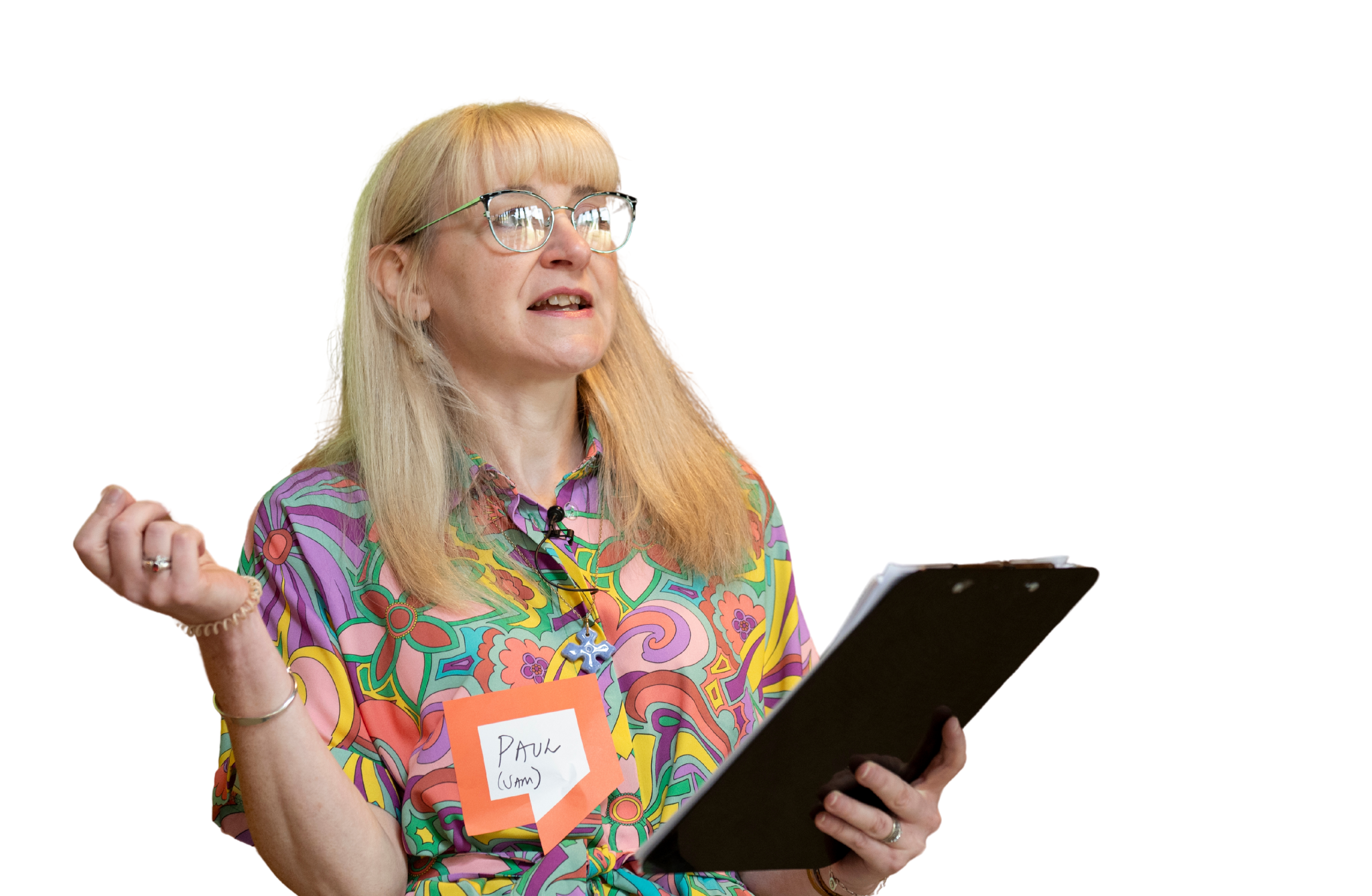
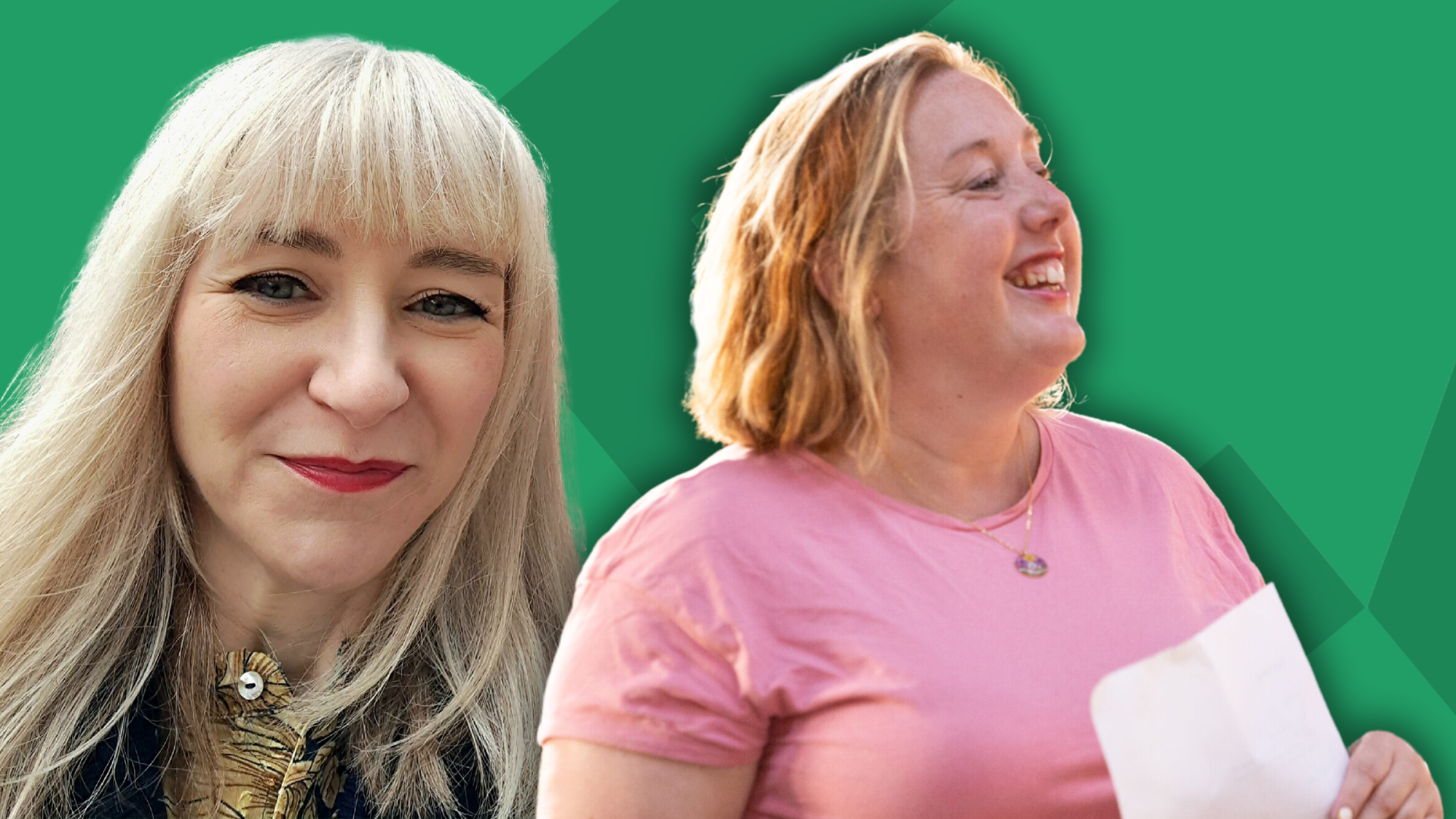
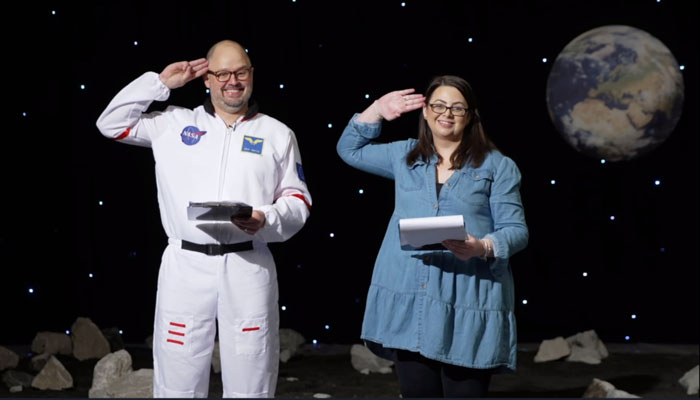
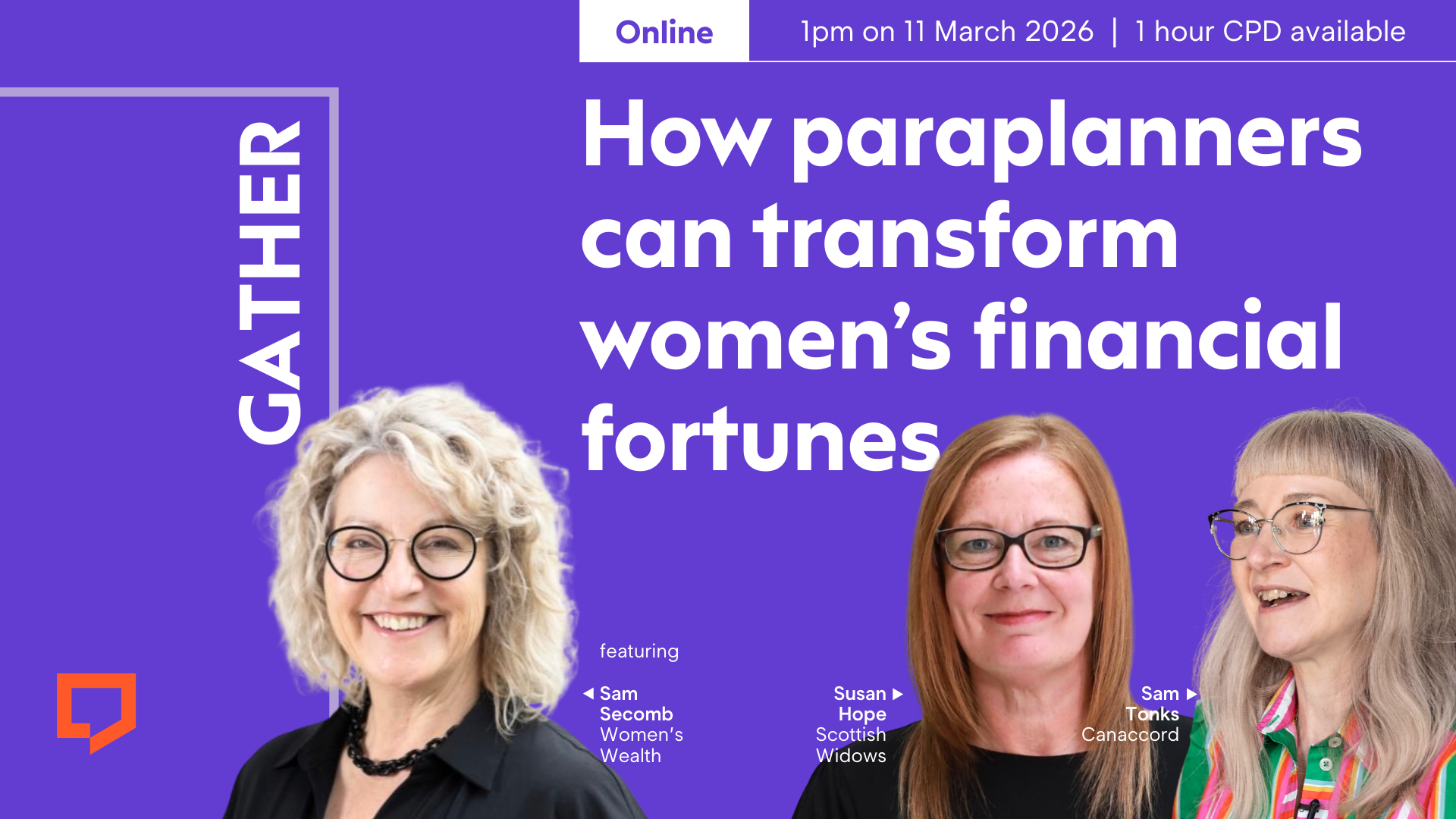
Paraplanner Sam Tonks will be hosting this Assembly alongside chartered financial planner at Women’s Wealth founder, Sam Secomb and Susan Hope, Business Development Director at Scottish Widows.
Together they’ll work through each assumption, share practical ideas, and have an honest conversation about how paraplanners can raise these issues with planners in a way that gets heard.
What we expect to cover
- How planning assumptions form in practice – and why the ones nobody questions are often the ones that cause the most damage
- The compliance and consumer duty implications when planning has only really engaged one partner in a couple
- What can go wrong for clients at different life stages when assumptions go unexamined – and what it costs them
- The risks for the business, and how to demonstrate on the file that you’ve done the right thing
- How to raise these issues with a planner in a way that comes across as risk mitigation, not criticism
- Practical things you can put in place – in the file, in your processes, and in your conversations – that make a real difference
What can you expect to take away?
You’ll leave this Assembly with a clearer picture of where the gaps are most likely to appear in plans for couples, and with practical ideas you can start using straight away.
That might mean a question you’ve not thought to ask before. A check you add to your review process. A way of framing a conversation with a planner that makes it easier for them to hear. Or simply a sharper sense of where your paraplanning skills can make the most difference to the people you’re planning for.
The assumptions we’re looking at are ones that affect real clients in real ways – and paraplanners are often the best-placed people in the room to notice them.
Sound like a good use of your time? Save your spot now.